

10 Top Applicant Tracking Alternatives
Hiring stalls for predictable reasons: the software is too expensive for the team size, too rigid for the workflow, or too focused on compliance while the real problem is candidate flow. That is why so many employers start looking at top applicant tracking alternatives when their current setup creates more admin than momentum. If your team needs to fill roles across full-time, freelance, remote, or hybrid work, the right alternative should help you move faster without adding complexity.
What makes a strong applicant tracking alternative?
An applicant tracking system is supposed to organize hiring. In practice, many tools do part of the job well and fall short somewhere else. One platform may offer advanced pipeline stages but weak sourcing. Another may be easy to launch but limited once your hiring volume grows.
A strong alternative should match how your team actually hires. For a startup, that may mean affordable posting, simple workflows, and fast collaboration. For a growing company hiring across multiple locations, it may mean better reporting, permissions, and job distribution. For teams using contractors and freelancers alongside permanent staff, flexibility matters even more.
The best choice usually comes down to five factors: pricing, sourcing reach, workflow customization, reporting, and ease of use. If one of those is missing, recruiters end up building workarounds, and hiring slows down.
Top applicant tracking alternatives to consider
1. Job boards with built-in employer tools
For many small and midsize employers, the smartest alternative is not another heavy ATS. It is a hiring platform that combines job exposure with practical employer tools. This approach works especially well when the bigger issue is attracting candidates, not just sorting them.
A marketplace-style platform can give employers direct access to active talent while still offering dashboards, job management, and candidate handling in one place. That is often a better fit for lean teams that want speed and visibility without paying for enterprise-level features they will not use. If your hiring spans standard employment and project-based work, this model can be especially useful because it supports more than one type of candidate journey.
2. Workable
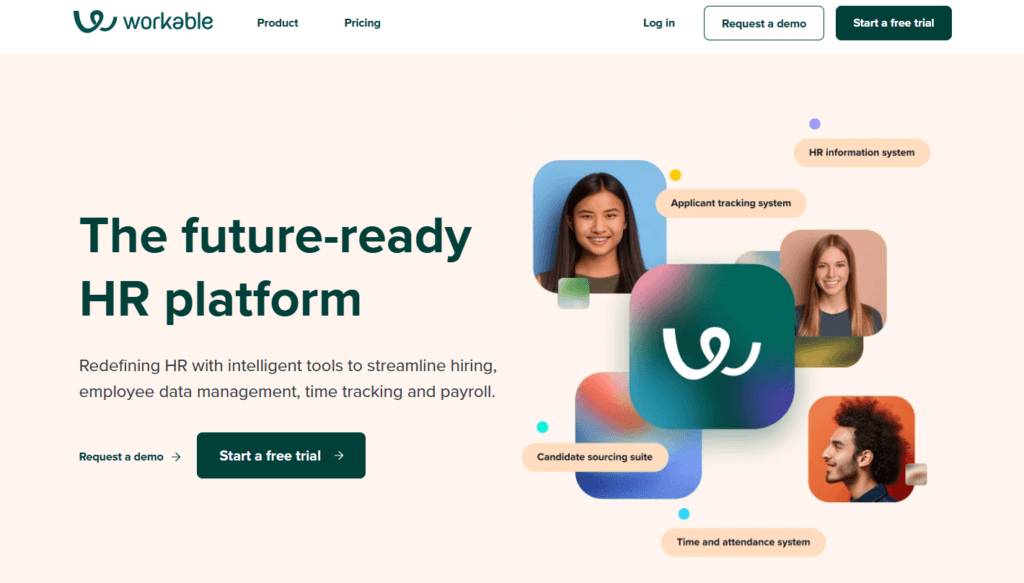
Workable is a common option for businesses that want a polished interface and a broad feature set without stepping into the most expensive enterprise tier. It is known for being relatively straightforward to use, which matters when hiring managers are not full-time recruiters.
Its strength is balance. You get job posting, candidate tracking, collaboration tools, and AI-assisted features in one package. The trade-off is cost. For very small teams or companies with inconsistent hiring needs, pricing can feel high compared with lighter alternatives.
3. Breezy HR
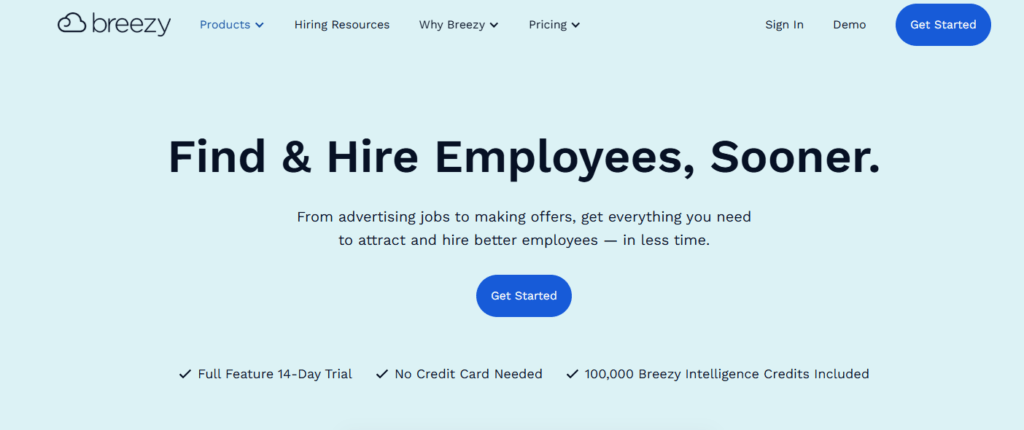
Breezy HR appeals to businesses that want visual pipeline management and a simpler setup process. If your team likes drag-and-drop workflows and quick collaboration, it can feel much easier to adopt than older ATS products.
Where Breezy HR fits best is growing companies that need structure but do not need deep enterprise controls. The limitation is that some teams may outgrow it if they need more advanced reporting, complex approval chains, or highly specialized integrations.
4. JazzHR
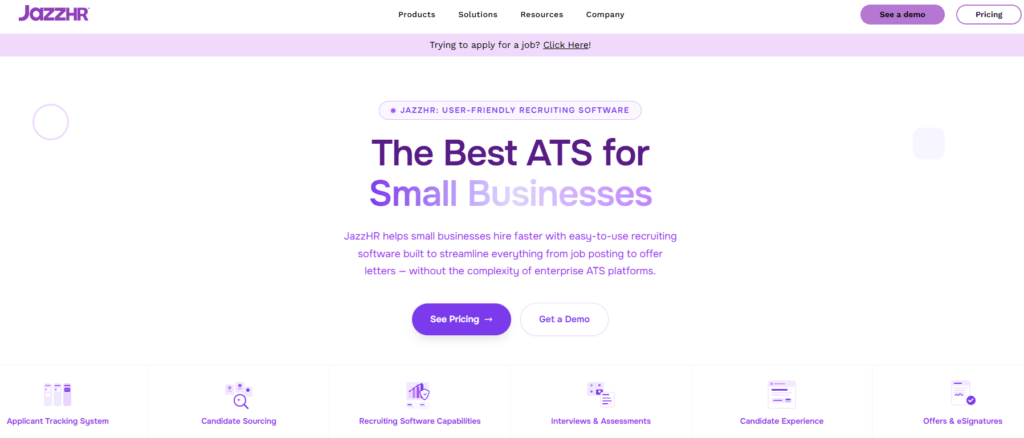
JazzHR has long been positioned toward small businesses, and that focus still makes it relevant. It covers the basics well: posting jobs, screening applicants, and organizing communication with candidates.
Its appeal is affordability compared with larger platforms. That said, affordability only helps if the feature set fits your process. Teams with more demanding needs around analytics or global hiring may find it too narrow over time.
5. Greenhouse

Greenhouse is often considered by companies that want a more structured hiring operation. It is especially popular with organizations focused on interview consistency, scorecards, and scalable recruiting processes.
The upside is rigor. If you are building a repeatable hiring system and care about process quality, Greenhouse is strong. The downside is that it may be more system than a smaller team needs. Implementation, training, and ongoing management can feel heavy if your hiring goals are mostly about speed and cost control.
6. Lever
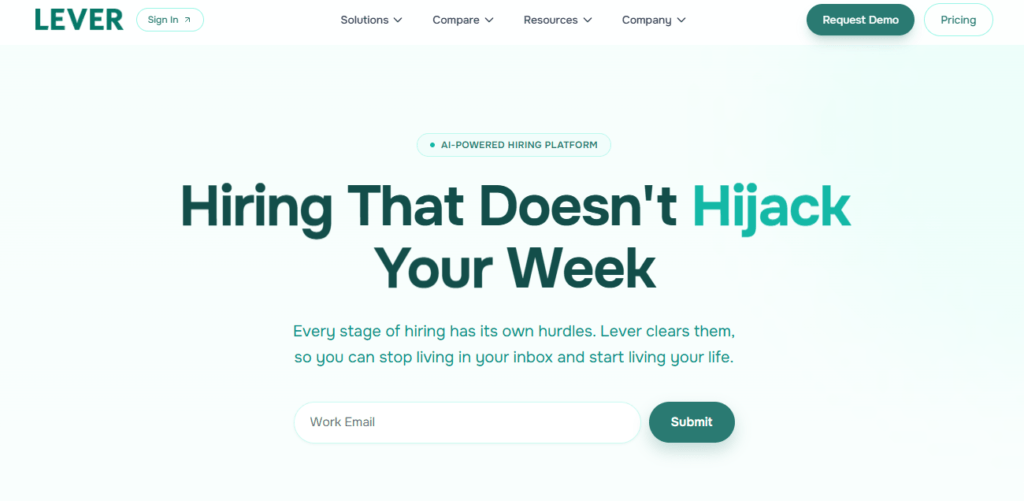
Lever combines applicant tracking with CRM-style talent relationship features, which makes it useful for teams that do not want sourcing and tracking to live in separate systems. For employers hiring in competitive markets, that blend can be valuable.
Its sweet spot is companies that want to nurture talent pipelines instead of only reacting when a role opens. The trade-off is similar to other more advanced tools: you need a team ready to use those features consistently. If not, you may end up paying for capability that sits idle.
7. Zoho Recruit
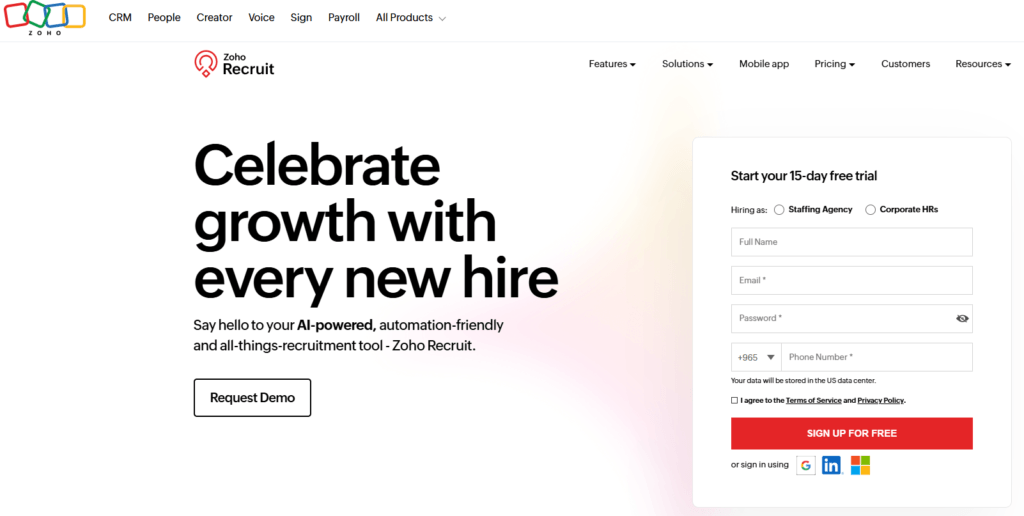
Zoho Recruit can be a practical choice for businesses already using the Zoho ecosystem or for agencies and internal teams that want customization without premium pricing. It offers room to tailor workflows, fields, and automations.
That flexibility is useful, but it comes with a learning curve. Teams that want something simple out of the box may find it less intuitive than more guided platforms. It can be powerful, but only if someone is willing to configure it properly.
8. Recruitee
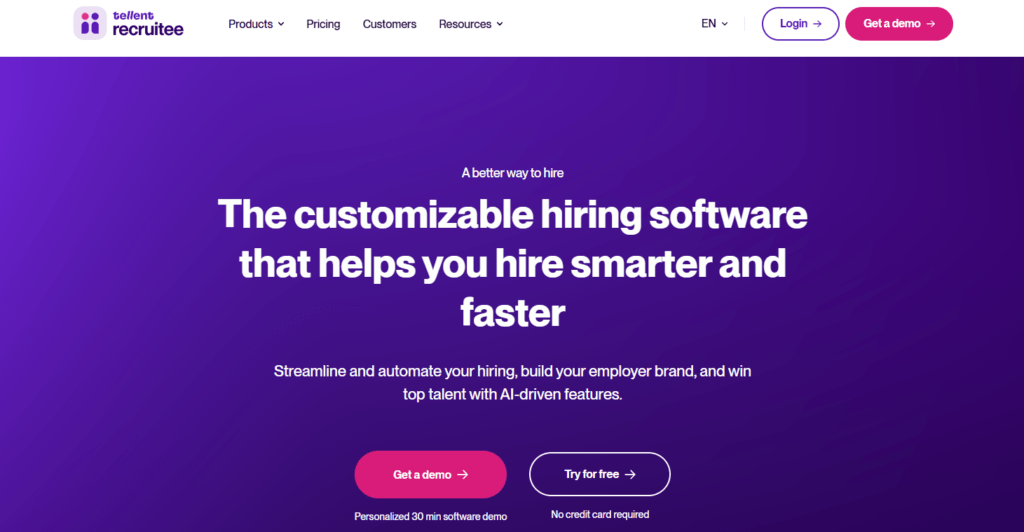
Recruitee is built around collaborative hiring, making it a good fit for businesses where department leaders are actively involved in the process. The interface is clean, and it generally handles team participation well.
For companies trying to standardize hiring across multiple stakeholders, that is a real advantage. Still, whether it is the right alternative depends on your priorities. If your main challenge is applicant volume rather than interview coordination, candidate reach may matter more than collaboration features alone.
9. BambooHR Hiring
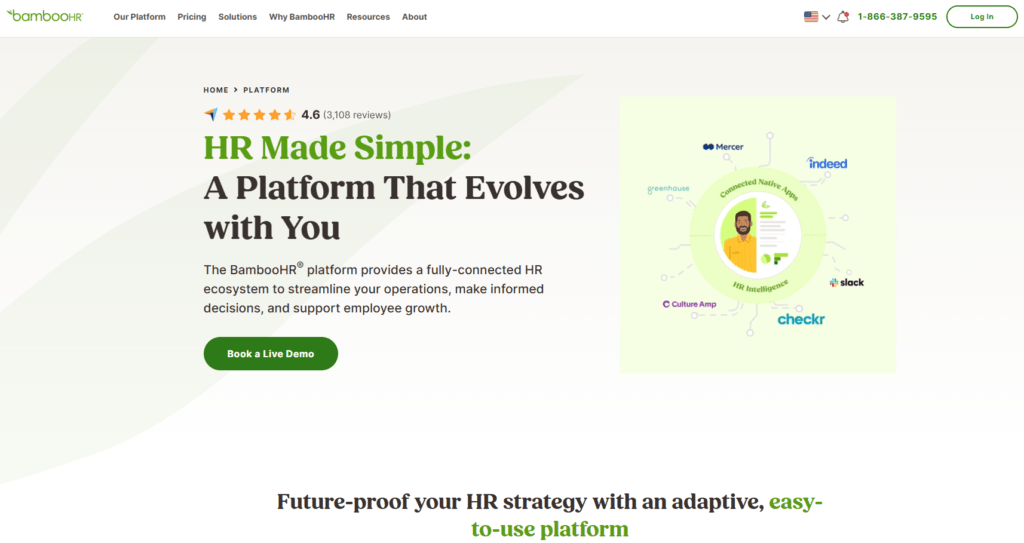
BambooHR is often chosen by small and midsize companies that prefer an HR-first system and want hiring to connect with onboarding and employee records. If your HR team values having fewer systems, this can be attractive.
The obvious benefit is consolidation. The limitation is depth. A built-in hiring module may not match the sourcing and recruiting capabilities of a more specialized platform. For some teams, that is acceptable. For others, it becomes a bottleneck.
10. Ashby
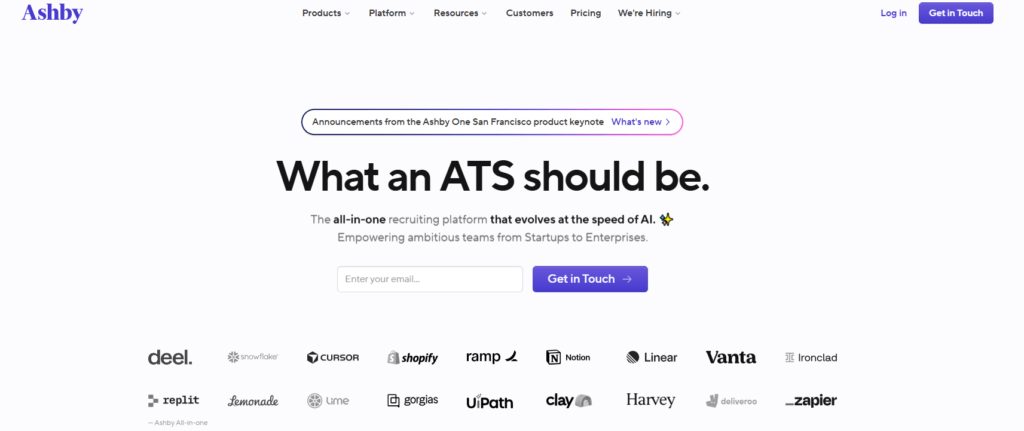
Ashby has gained attention among startups and scaling companies that want strong analytics, scheduling, and workflow control in one platform. It is often seen as a more modern option for teams that care about hiring data and operational efficiency.
Its strength is visibility into the funnel. If your recruiting team wants to measure what is working and fix bottlenecks quickly, Ashby stands out. But like many data-forward tools, it delivers the most value when your team is already disciplined about process.
How to compare top applicant tracking alternatives without wasting time
The mistake many companies make is comparing software by feature count alone. More features do not automatically mean a better fit. Start by looking at your real bottleneck.
If you struggle to attract applicants, prioritize platforms with stronger job distribution, candidate reach, and marketplace visibility. If you already have applicant volume but poor coordination, focus on workflow tools, interview feedback, and collaboration. If leadership wants better accountability, reporting and analytics should move higher on the list.
It also helps to compare according to hiring model. A company hiring office staff in one city has different needs than a business recruiting remote engineers, freelance designers, and customer support agents across regions. The more varied your talent mix, the more important platform flexibility becomes.
When an ATS alternative is better than a traditional ATS
Sometimes the right move is not replacing one applicant tracking system with another. It is choosing a lighter, more candidate-facing hiring platform that solves the first problem in the funnel: getting the right people to apply.
This matters for employers that do not have a dedicated recruiting team, companies with limited hiring budgets, and businesses hiring across both permanent and project-based roles. In those cases, a platform that combines exposure, searchability, and practical employer tools can outperform a traditional ATS that mostly manages applicants after they arrive.
That is also why some growing employers look beyond conventional software categories. They want one place to post, attract talent, manage responses, and keep hiring moving. A platform like JobRope fits that mindset well because it supports different work models while keeping the experience straightforward for employers and candidates alike.
Questions to ask before you switch
Before choosing any of these top applicant tracking alternatives, ask a few direct questions. Will your hiring managers actually use it without constant training? Can it support the kinds of roles you hire most often? Does the pricing still make sense six months from now if your hiring volume changes?
Then look at candidate experience. Slow applications, clunky mobile flows, and poor communication can quietly reduce conversion. A system that looks efficient internally but pushes good candidates away is not efficient at all.
The strongest hiring platform is usually the one that removes friction on both sides. It helps employers act faster, and it makes it easier for qualified people to discover and pursue the role.
Choosing hiring software is rarely about finding a perfect platform. It is about finding the one that fits your pace, budget, and hiring reality well enough to keep momentum on your side.
